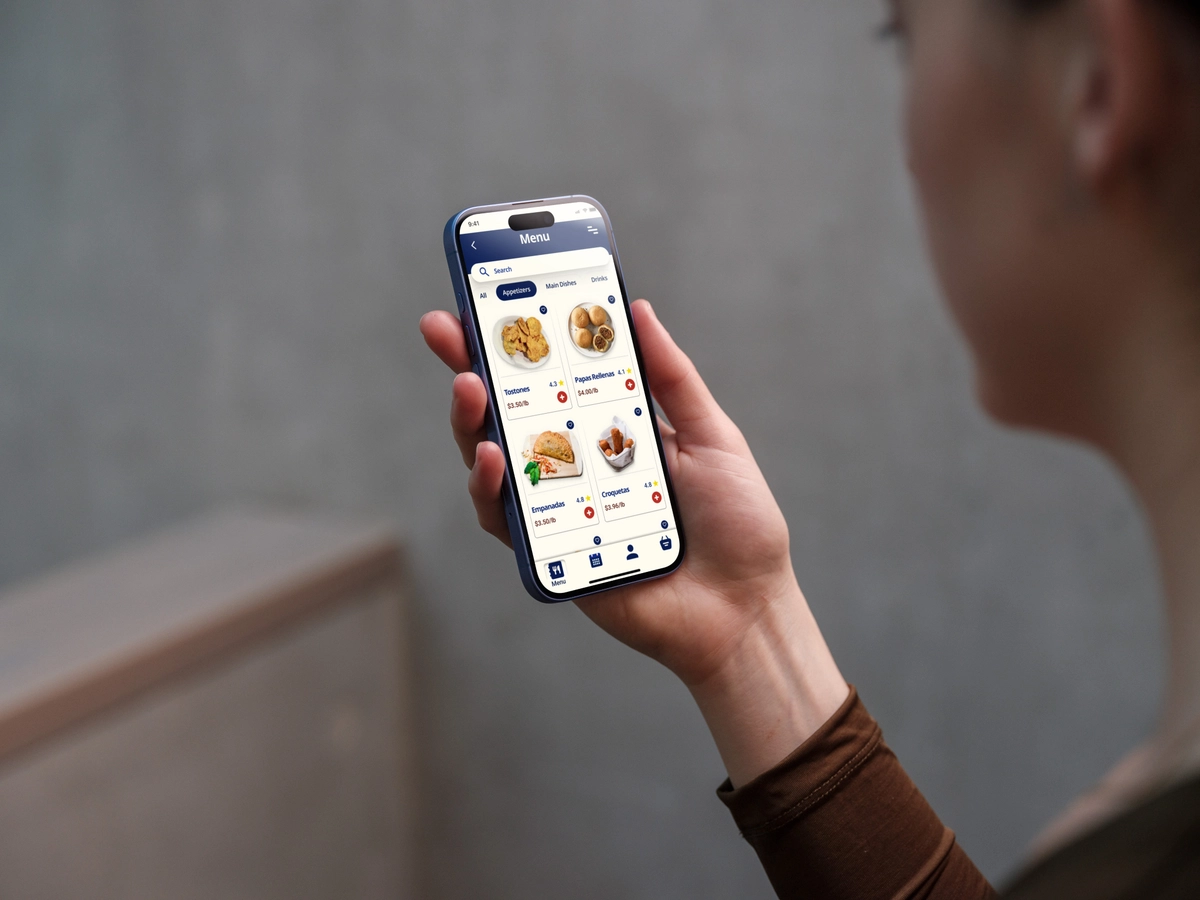
Mobil App
RC By Pound
The creation of this mobile app will increase the customer retention on a 18% and customer satisfaction on 24%.
View Case Study
Gildi is a resource distribution system for unsheltered neighbors in Katy, Texas. Its core is not "donation posts", but turning intention into reliable help through three system choices:
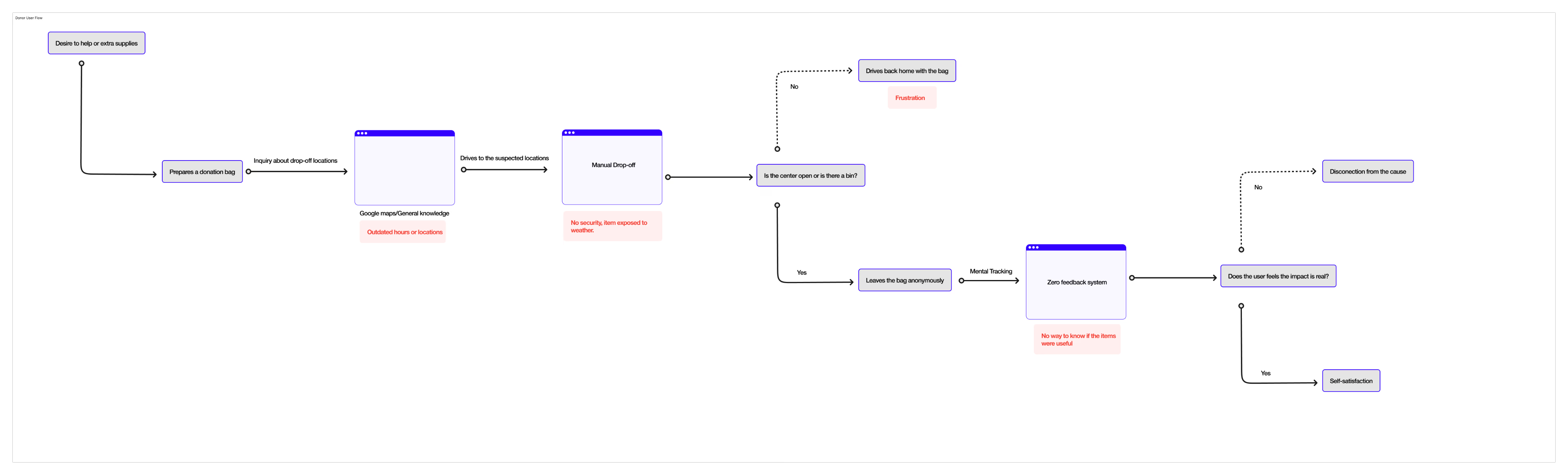
In Katy, many people keep "help kits" in their cars, but intention rarely becomes timely help. Early directions broke for two reasons:
Katy is one of the wealthiest regions in the U.S., yet it hides a growing food insecurity crisis. My research revealed a critical infrastructure gap: people want to give, and people need to receive, but there is no safe, dignified channel to connect them. Key Insights:
Research shows that many unsheltered individuals require supplies but often avoid seeking help due to stigma and the burden of long walks.
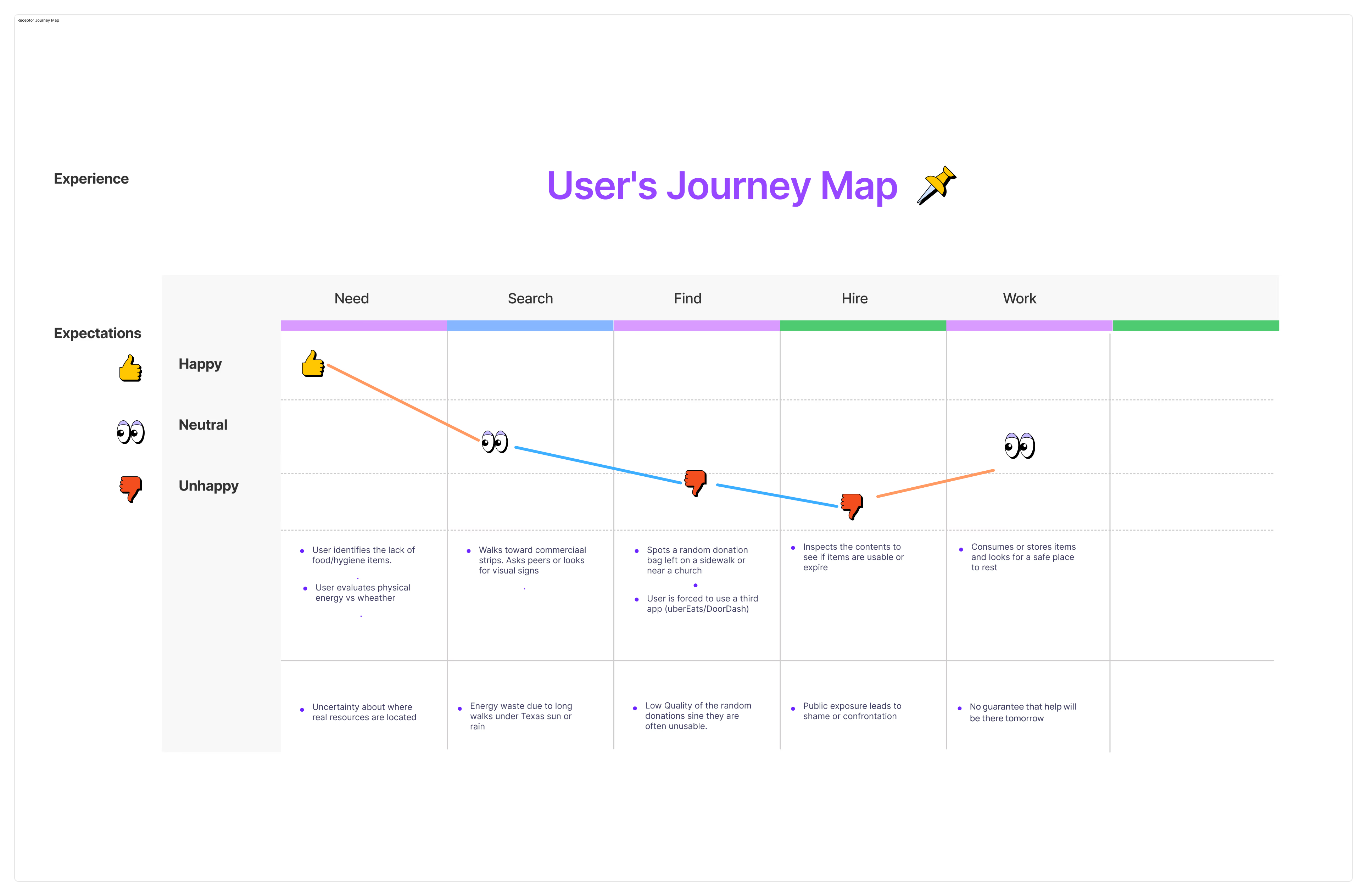
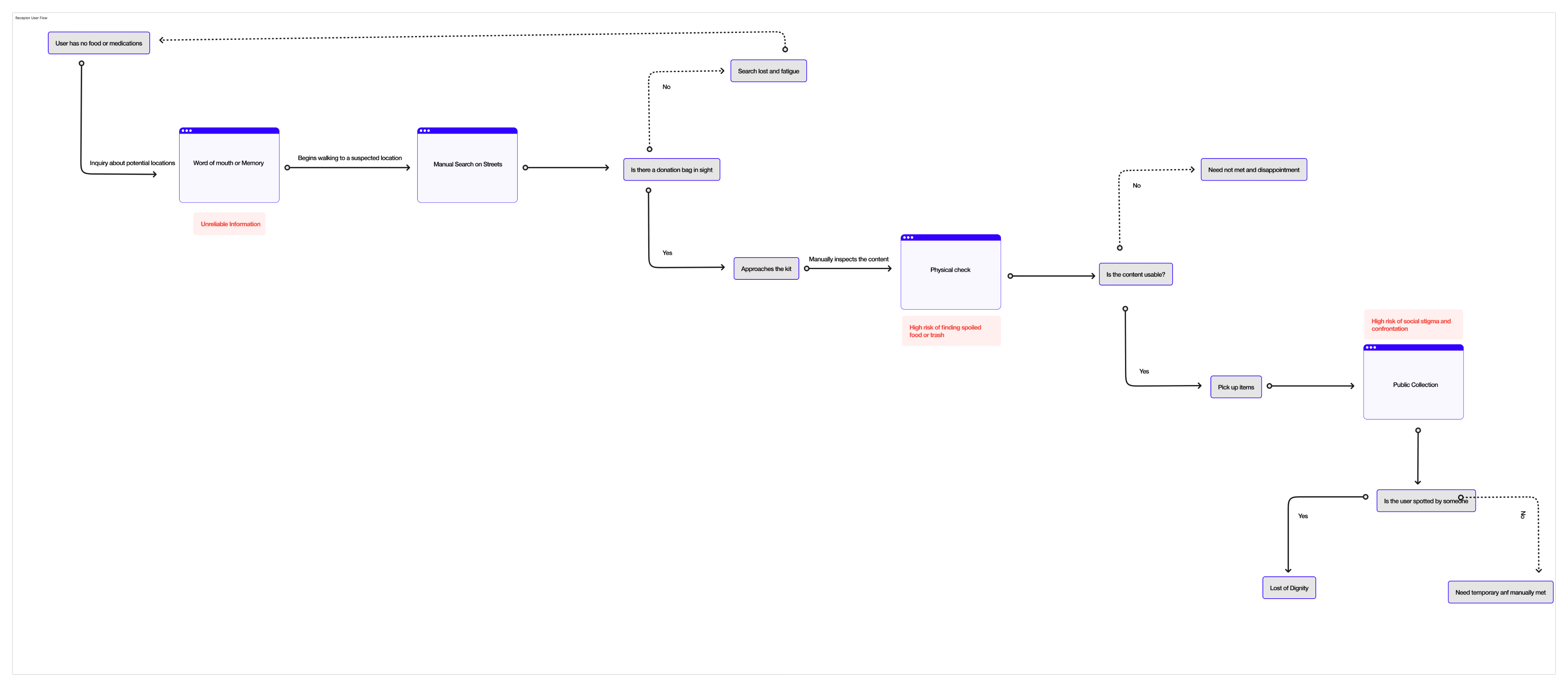
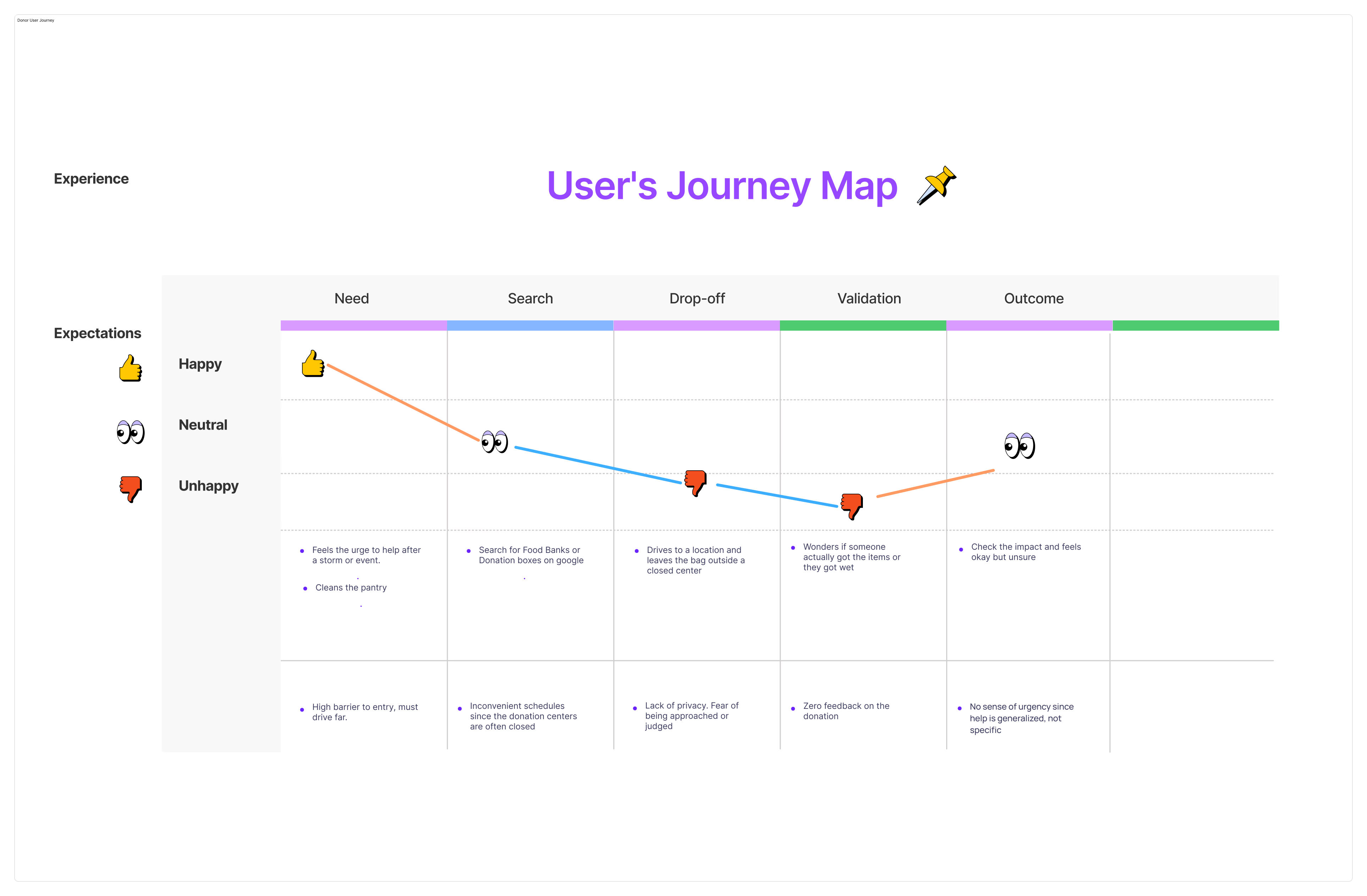
The Katy community has established itself as one of the largest donor communities in Texas, contributing over $2 million to local charities last year. However, some residents express a desire to help but are deterred by bureaucratic hurdles and concerns about their safety.
Data loss due to connectivity issues.
Cognitive Overload and Speed.
Transparency Gap.
These insights revealed that the solution wasn't just a digital notebook; it had to be a resilient ecosystem that prioritized transaction speed for the seller while providing absolute financial clarity for the investor.
Design principles (system rules):
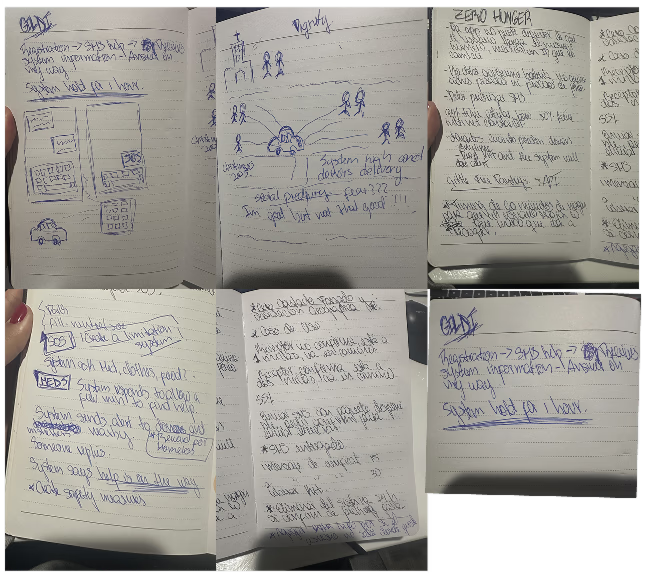
At the beginning, I explored a more traditional model: a
donation center where unsheltered individuals could register
to receive notifications when resources were available. Soon,
I identified a critical barrier: registration can feel
stigmatizing or risky, and dignity is often the first filter
for adoption. I then considered a system to connect donors
with areas of high unsheltered population density to deliver
kits directly, but that alternative introduced logistical
friction and coordination issues. From those iterations, I
defined the final approach: Gildi, a resource management and
distribution system that closes the "intention gap," meaning
the gap between wanting to help and ensuring that help reaches
those in need.
In Gildi, a person can post a kit (a package assembled freely by
the donor) by leaving it at a designated point (a safe location
suggested by the system, or a point from an allied organization,
always avoiding risks for unsheltered individuals and legal issues).
Only one kit can be drop at one location, so if another donor already
dropped a kit on a donor's preferred locations, that location sis
going to be display on the system as unavailable.
Although the contents are free-form, each kit is labeled with a
category to facilitate matching and system priorities: Hygiene, Food/Water, Medicine and Clothes.
To increase coverage without concentrating the community in one
place, the system can rely on Little Pantries (API of drop-off points)
to suggest additional locations. The intention is to create a variety
of points and reduce the risk of an entire community "parking" around
a single point waiting for donations.
When the kit becomes available, another person receives a notification
to pick it up.
The central challenge remained constant throughout the process:
How do I verify an "invisible" population to the State without resorting
to invasive tracking or bureaucratic barriers that generate fear
or rejection?
GILDI lets donors publish kits at safe drop-off points and lets recipients claim them with Progressive Disclosure and verification without stigma, so the inventory stays accurate and pickups are worth the effort.
I designed Gildi as a dignity-centered aid distribution system
focused on logistical certainty and local relevance. Instead of
requiring identifications or bureaucratic processes, the
platform prioritizes trust signals and mechanisms that reduce
wasted physical effort.
The pillars of the approach are:
Stigma-free verification: a model that seeks to validate access
without exposing the unsheltered population to unnecessary friction
or experiences that may feel invasive.
Proximity relevance
(2-mile rule): when a donor posts a kit, the system notifies
only recipients within a walkable radius, to keep the
information useful, reduce noise, and avoid loading "global"
data that drains battery.
Reliable inventory (anti "ghost
reservations"): I defined rules so that reservations do not
indefinitely block resources. If a reservation does not
progress, the kit becomes available again for the community.
Together, these mechanisms turn the intention to help into
concrete action, reduce coordination failures, and make aid more
predictable for those in need.
Stigma-free verification (3 layers):
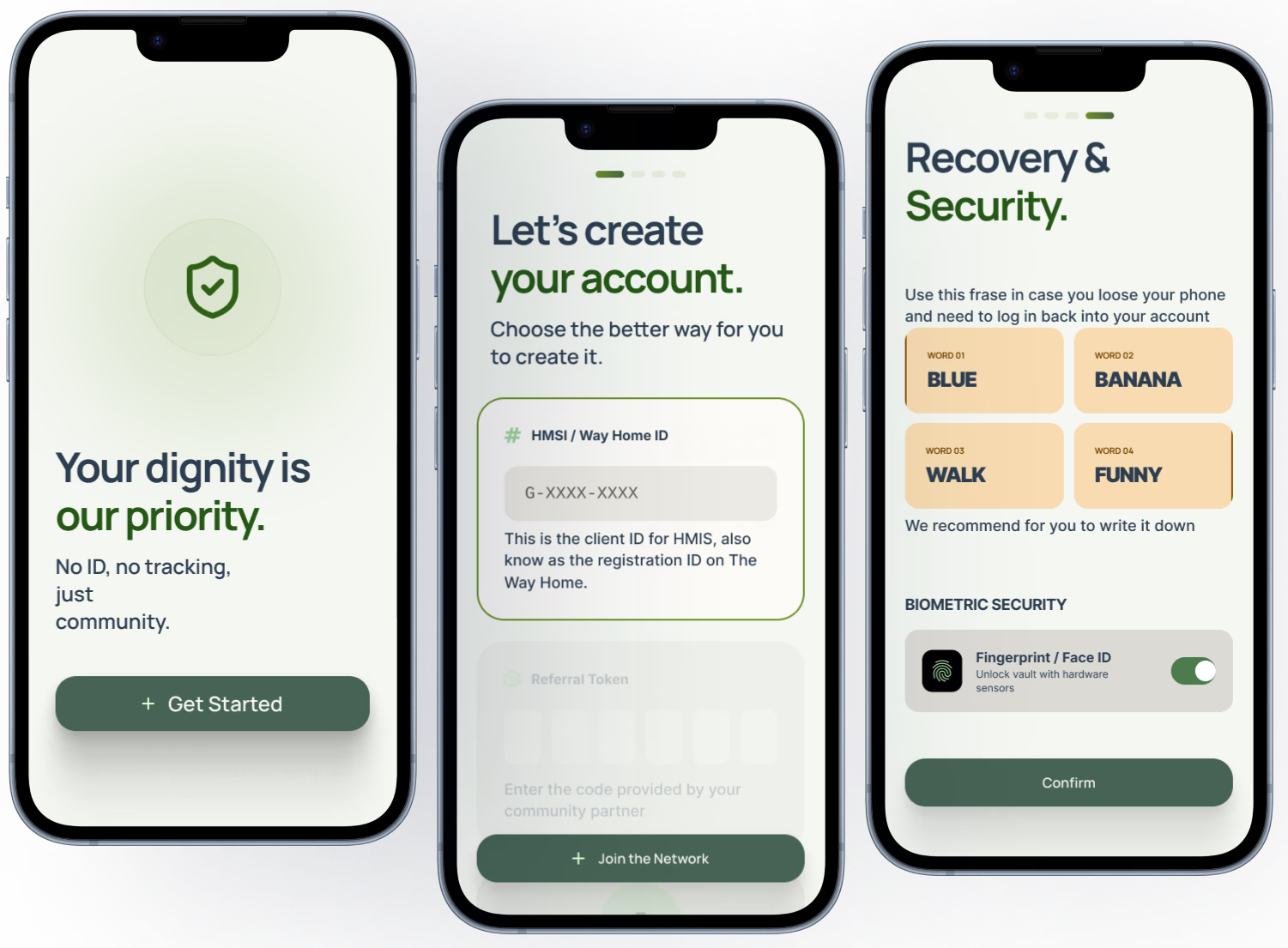
Gildi's main challenge was to enable access to the platform
without requiring official documentation or subjecting the
unsheltered population to invasive processes. To address this, I
designed a decentralized verification ecosystem with three
layers that balances trust, security, and dignity.
Institutional Anchor (Seed Users)
To kick off the network, the first 50 Seed Users are
onboarded through allied organizations that already have a
trusted relationship with the community. This phase allows for
the establishment of a verified base without asking users to
"prove" their identity in a stigmatizing way.
Growth with Social Stakes (Trust Tokens)
Once the first seed is planted, the system grows through
an invitation mechanism:
Each verified user receives 3 Trust
Tokens to invite others from their community.
To reduce abuse
(such as hoarding or ghosting), the system incorporates social responsibility:
if an invitee violates rules, the inviter's verification may be put
under review and can be revoked in cases of abuse.
This
approach encourages careful invitations and protects the
integrity of the inventory without creating bureaucratic
barriers.
Contextual Proof (without Trust Token)
For individuals who do not have a Trust Token available, I
replaced the requirement for official ID with a more dignified
verification: a contextual photo (without a selfie) that
reflects the current environment. The goal is to validate
context rather than "identity," keeping the focus on secure
access with the least emotional cost possible.
Progressive disclosure:
In suburban areas like Katy, walking 15–20 minutes in the heat
only to find that a kit is no longer available is not just
frustrating: it's a real physical cost. In Gildi, two typical
failures occur: Ghost kits: the kit was posted, but it is not
physically at the designated point when the person arrives.
Ghost reservations: the kit is digitally locked because someone
reserved it or confirmed it as 'on the way,' but does not complete
the pickup (abandoning the route, not responding, or the timer expiring).
To reduce unnecessary walks and ensure that the inventory
is reliable, I designed a Progressive Disclosure flow.
Principle: the exact location of the kit is not shown
from the start. First, intent is confirmed, and then the detail
is unlocked.
How it works:
Local visibility: when a donor posts a kit, the system
notifies only people within a 2-mile radius (walkable distance).
This keeps the information relevant and avoids 'noise' in the experience.
Commitment before detail: the recipient only sees a
general area. The exact location is revealed when the person explicitly
confirms they are on the way.
One route at a time:
when someone confirms the route, the kit is temporarily removed
from public view so that only one person is moving towards that
resource.
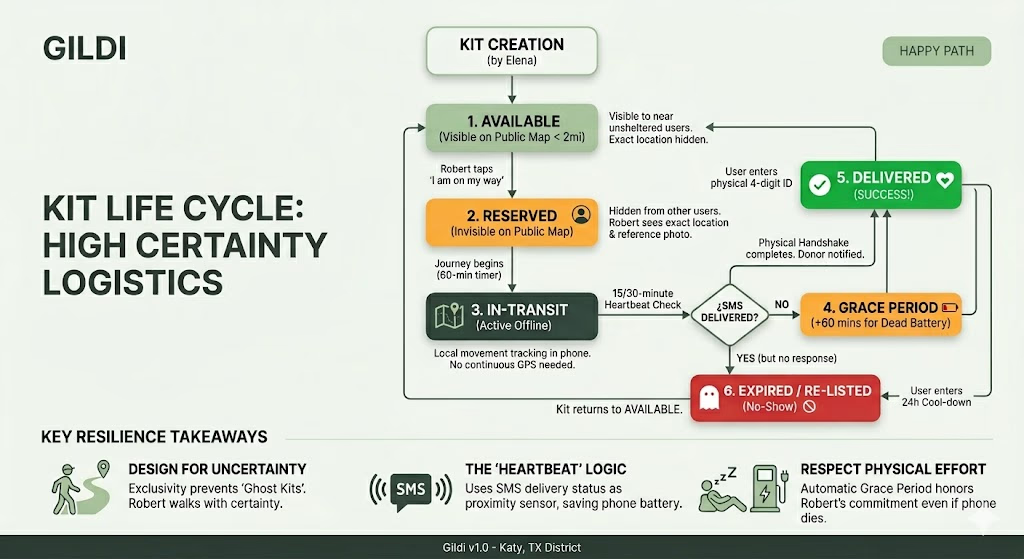
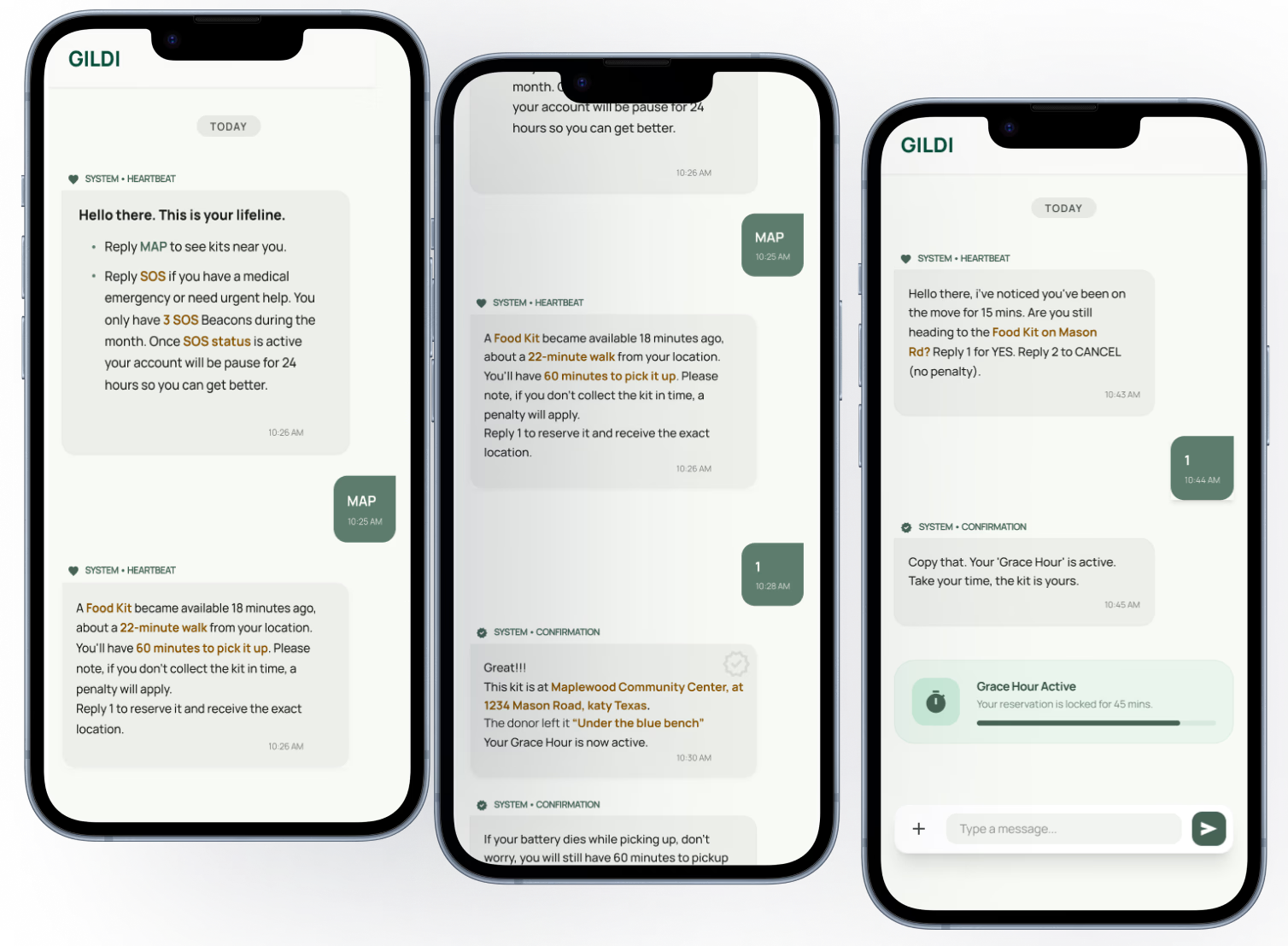
Anti ghost-reservations (timers + pings):
Designing for the unsheltered population means acknowledging
real conditions: limited battery, unstable signal, and
intermittent data access. To avoid penalizing these
limitations, I defined progressive verification rules that
maintain system fairness without compromising inventory,
without using location tracking.
Key rules (no GPS):
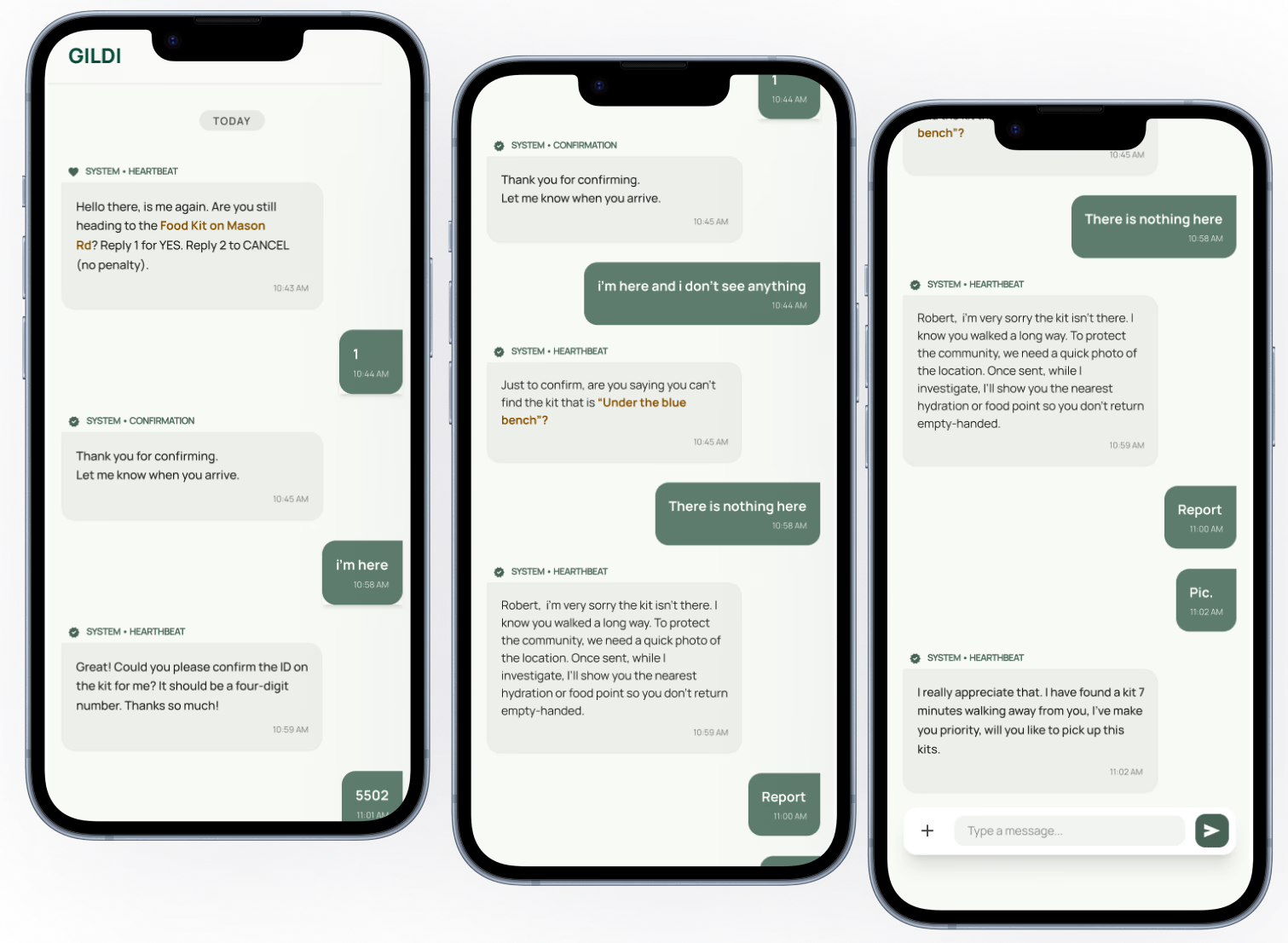
Route confirmation: when the person confirms "I'm on my way,"
the kit is temporarily removed from the map/public listing.
Ping 1 (15 min): the system sends an SMS asking, "Are
you still on your way?" If the status shows as Not Delivered, the
system assumes the phone is out of battery or signal and keeps the
reservation.
Ping 2 (30 min): if the first ping was Delivered but
there was no response, a second message is sent 15 minutes later.
Release (60 min):
if both messages were Delivered and there is no response, at the
60-minute mark, the kit is automatically released and becomes available
again.
Grace period (1 hour):
if the first message was Not Delivered, the system grants a grace
period of 1 hour. In this case, the release is postponed and occurs
after the grace period (60 + 60 minutes) if there is no confirmation.
When the kit is relisted for someone else, a warning is displayed:
"There is a kit available, but it may not be there."
Cooldown (fairness):
when a kit is released due to ghosting (no pick-up confirmation),
the progressive penalty defined in "Rules and Penalties" is applied.
Anti-abuse (reporting):
if the person reports a "missing kit," the report requires a photo
of the location to reduce false reports.
Privacy: no GPS is stored. The continuity of the route
is validated only with SMS and the final confirmation.
Physical handshake (code on the bag):
The flow closure occurs at the time of collection. To keep the
inventory clean and confirm that the kit actually arrived at
its destination, I designed a simple and low-friction physical
handshake.
How collection is validated:
Physical ID on the kit:each kit includes a code
written on the bag.
Code generation: the code is generated in the app
when the donor publishes the kit, and then the donor writes it on
the bag.
Confirmation by the receiving person: upon arrival, the person
enters that code in the app.
Status update: with that action, the kit is marked
as Collected and removed from the available inventory.
Notification
to the donor: the confirmation is reflected within the app to close
the trust loop.
If the person arrives and the kit is not there:
The person can report the kit as missing from the flow.
If the person reports a ghost kit (the kit was not physically present),
the system requests a photo of the location and applies rules to
prevent abuse.
Penalties for the donor (progressive):
1st incident: warning + review of the donor's account/activity.
Reincidence: 7-day pause on publishing kits.
If ghosting
is confirmed (reservation/confirmation without collection), the
progressive penalty applies to the receiving person (see section
"Rules and Penalties").
To prevent the receiving person from bearing the cost of
physical effort, the system offers compensation: it increases the
daily collection limit from 3 → 4 kits for that day.
This applies only if the person is verified, confirmed "on the way",
arrived at the designated point, and reported that the kit was not
physically present (ghost kit).
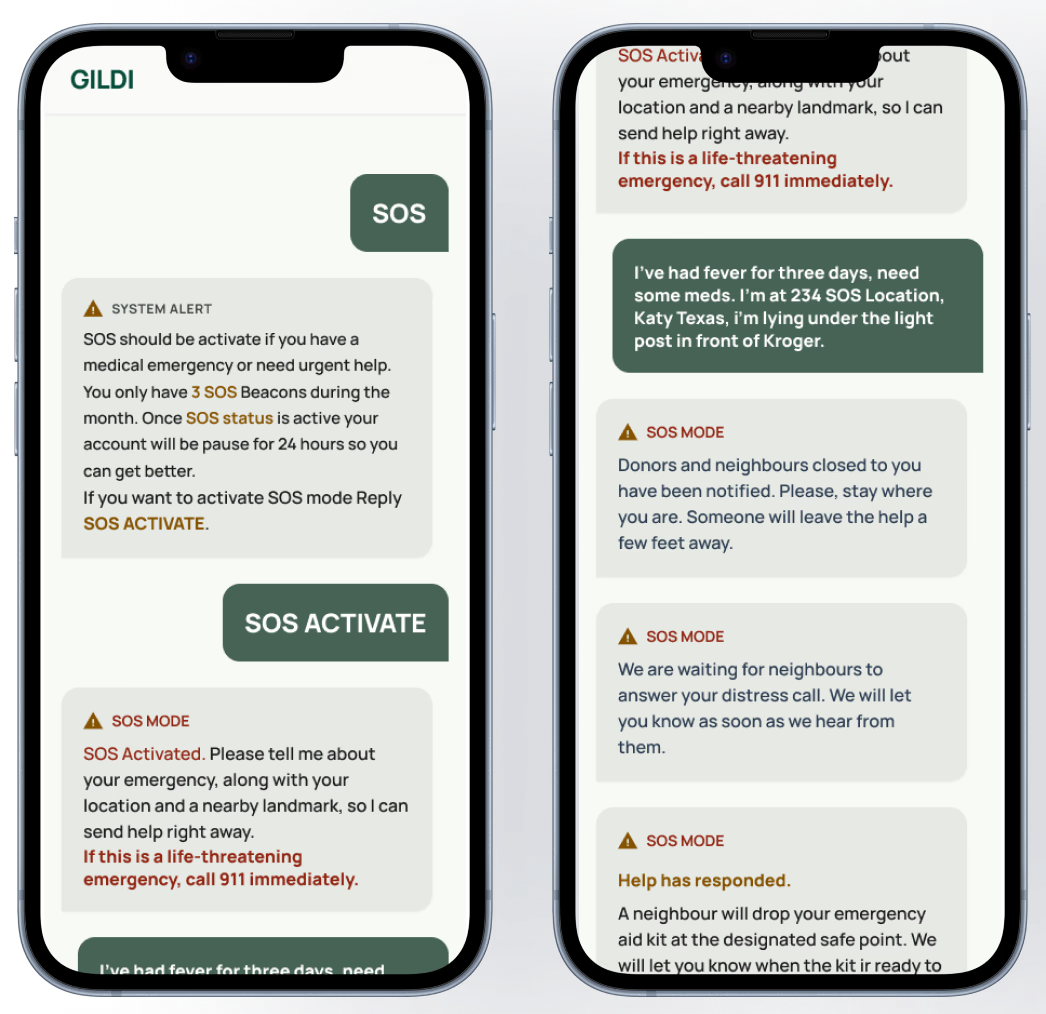
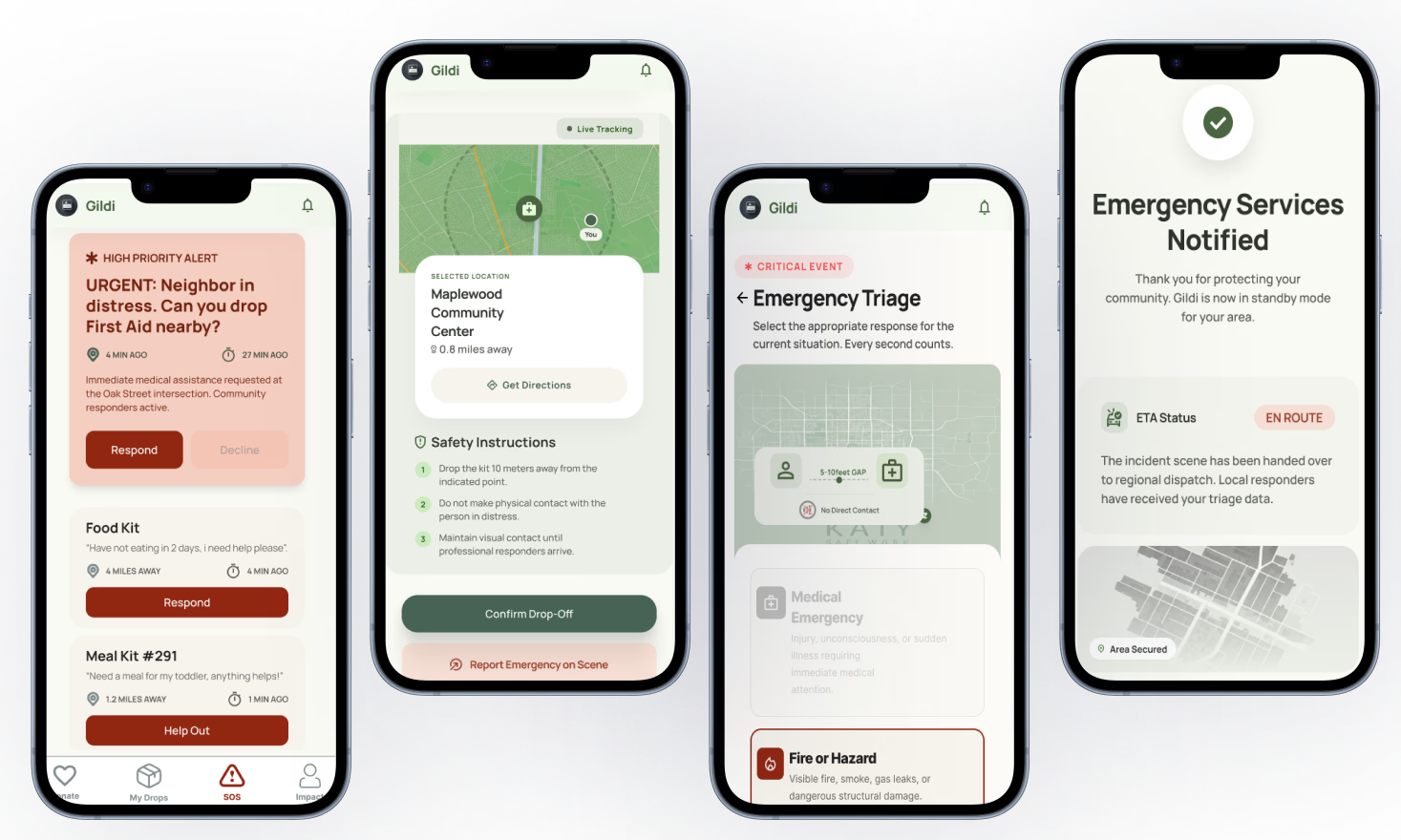
SOS + Buddy System (why the system switches modes) Problem: when walking is not possible, logistics must invert. Key decisions + rationale.
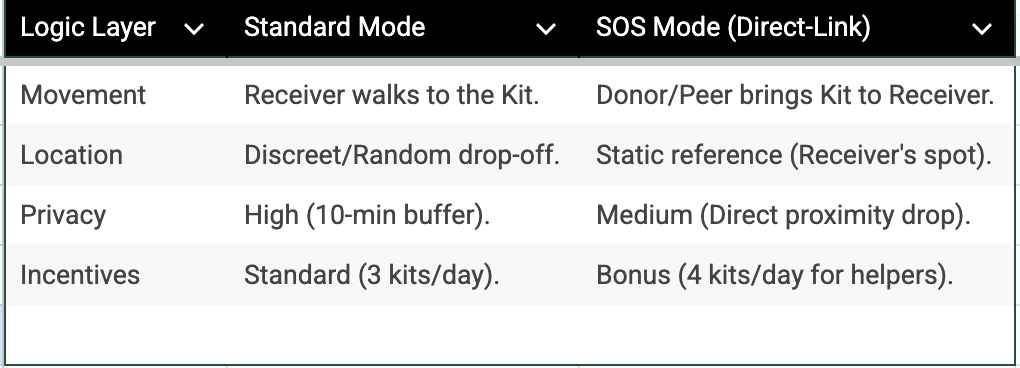
In cases of severe illness or restricted mobility the standard
"Walk to a Kit" logic fails. A person who is sick or injured
cannot navigate a 20-minute walk in the Katy heat.
The Solution: An emergency "Direct-Link" protocol
that flips the logistical flow: the aid comes to the user.
The Receiver Side: When a user activates one of their
3 limited SOS beacons in 60 days, the system prioritizes their exact
location.
Anonymous Proximity Drop: To maintain the core value of Anonymity, the system guides the donor to provide aid without a face-to-face encounter.
The Buddy System: This is the most innovative part of the system: The community protects its own.
If the community cannot respond, Gildi must bridge to professional
help without becoming a medical service.
If SOS goes unfulfilled
(30 min): send a critical SMS: "No responder found yet. If this is life-threatening,
dial 911."
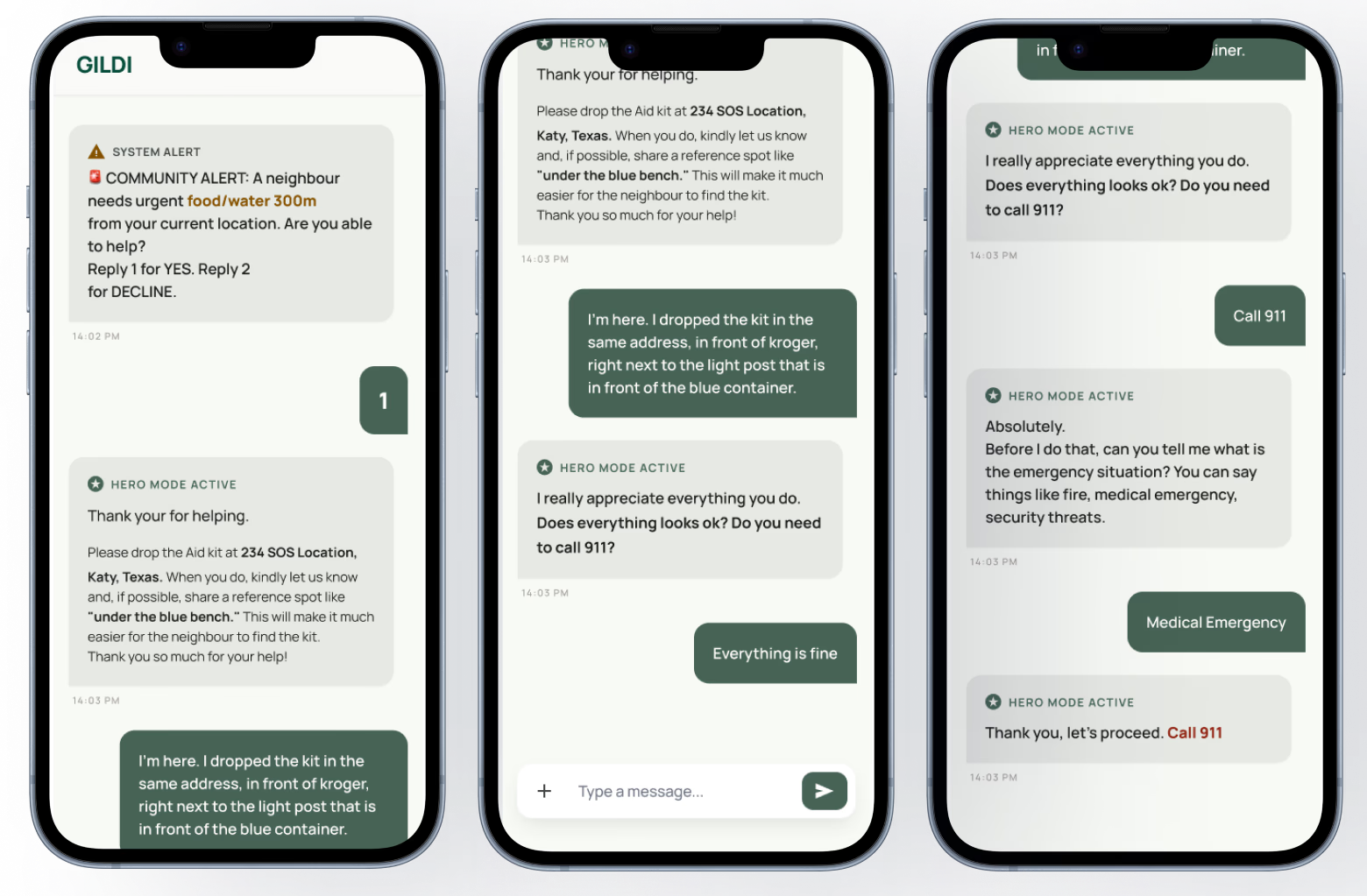
If a donor or buddy finds a medical emergency: after
"Drop-off Complete," require a safety check; selecting "Emergency / Life
at Risk" shows a high-contrast 911 prompt and a warning about false reports.
Guardrail: initiating 911 via the app triggers a 24-hour cooldown
to focus resources, deter misuse, and allow incident review.
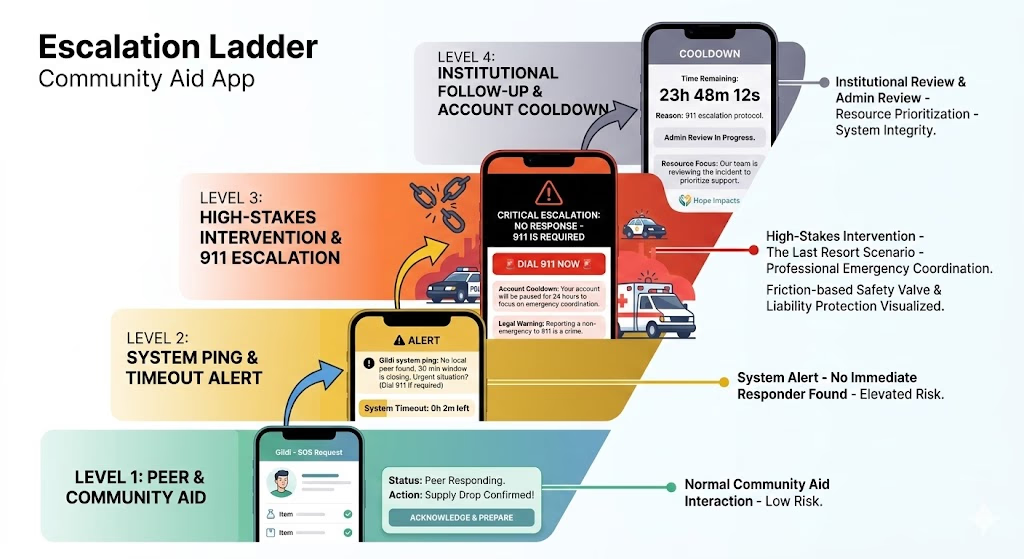
What happens when the community network isn't enough? Or worse, what if a donor arrives and finds a life-threatening situation (e.g., the unsheltered is bleeding or unconscious)? Gildi is a logistics tool, not a medical service. We must provide a bridge to professional help while protecting the system from misuse.
The Unfulfilled SOS: If the 30-minute window passes and no donor or peer has confirmed the SOS request:
The Donor's On-scene Assessment: When a donor or a "Buddy" (another unsheltered person) reaches the drop-off point and realizes the situation is graver than expected:
The Account Cooldown Logic: Why disable the account for 24 hours?
GILDI was not designed in a lab, but for the streets of Katy, Texas. The digital solution recognizes that the smartphone is a fragile tool: batteries die and data runs out. By shifting critical logic to the SMS Bridge, we transformed a conventional app into a Survival Protocol. I designed an interface that is not only intuitive but also invisible when the user needs it most.
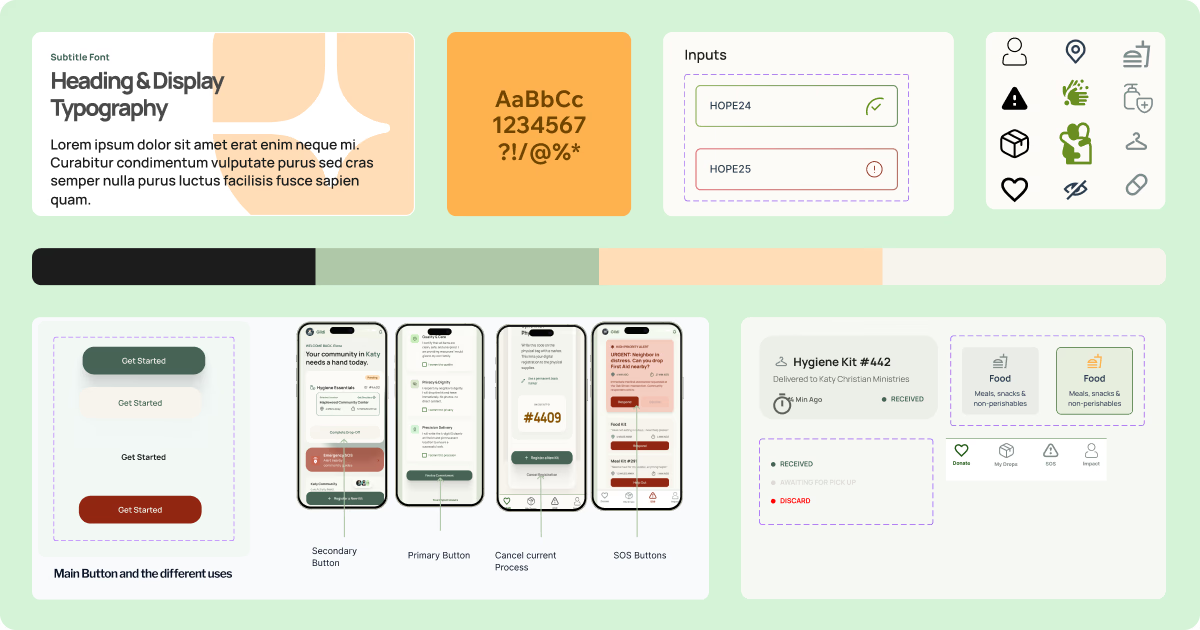
For the user, design is not a matter of aesthetics, but of
technological survival. The interface should be invisible when the
battery runs out and robust when the signal fails.
Designing for
Robert meant stripping away the non-essential. It's a UI built for low light,
low battery, and high stress. Gildi doesn't just provide food; it provides
the dignity of choice and the security of a system that actually works in
his world.
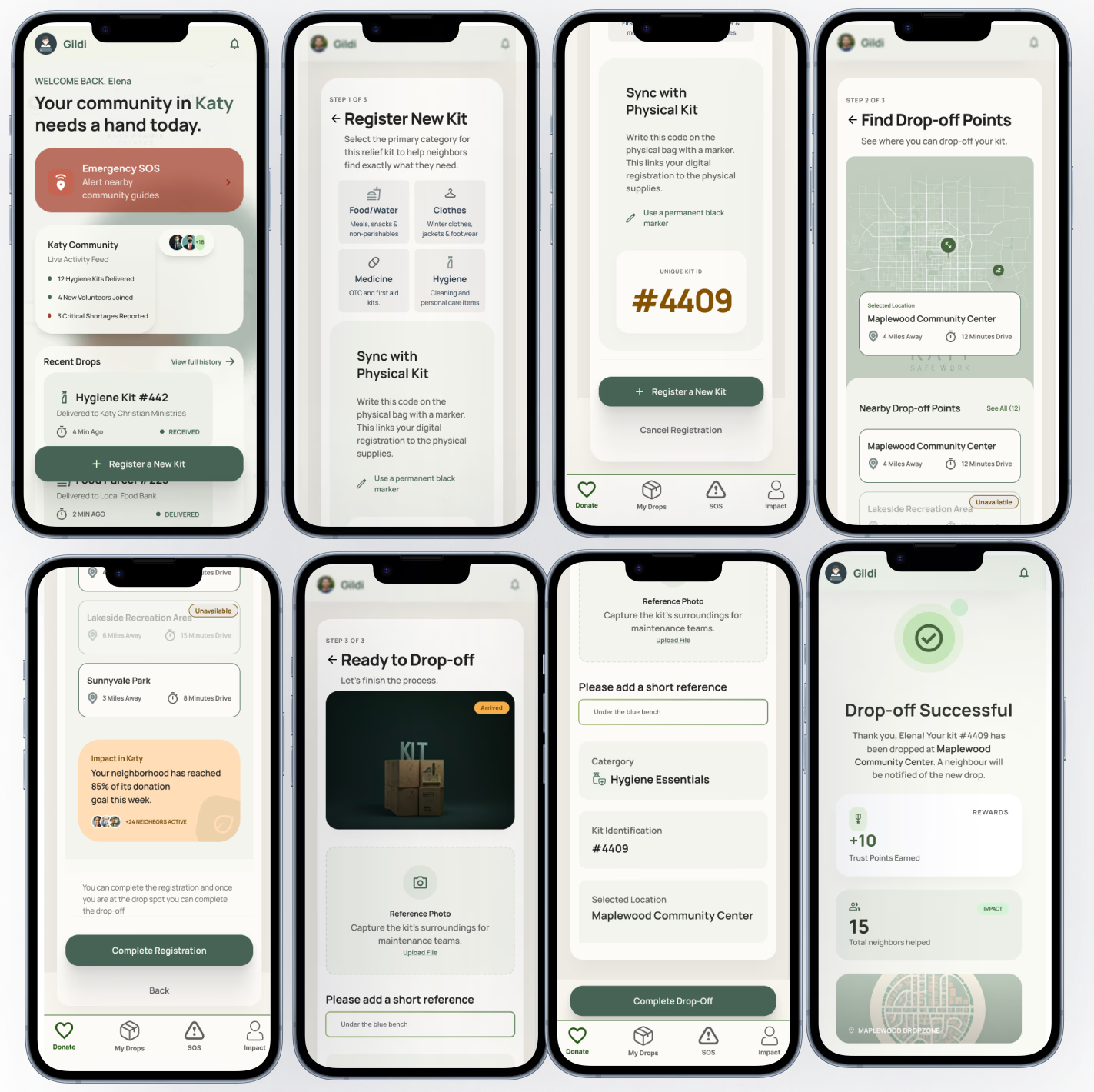
The design for the donor focuses on eliminating the "Bystander Effect"
and logistical friction, transforming intention into a safe and
rewarding action.
My goal was to create a friction-less bridge. For
the Investor, Gildi is a tool that turns her neighbourhood into a community,
allowing her to be a hero from a safe distance while ensuring her generosity
reaches the right hands.
GILDI measures success not by "clicks" or "screen time," but by reliable delivery and community strengthening. It impacts three key areas:
The creation of this mobile app will increase the customer retention on a 18% and customer satisfaction on 24%.
View Case Study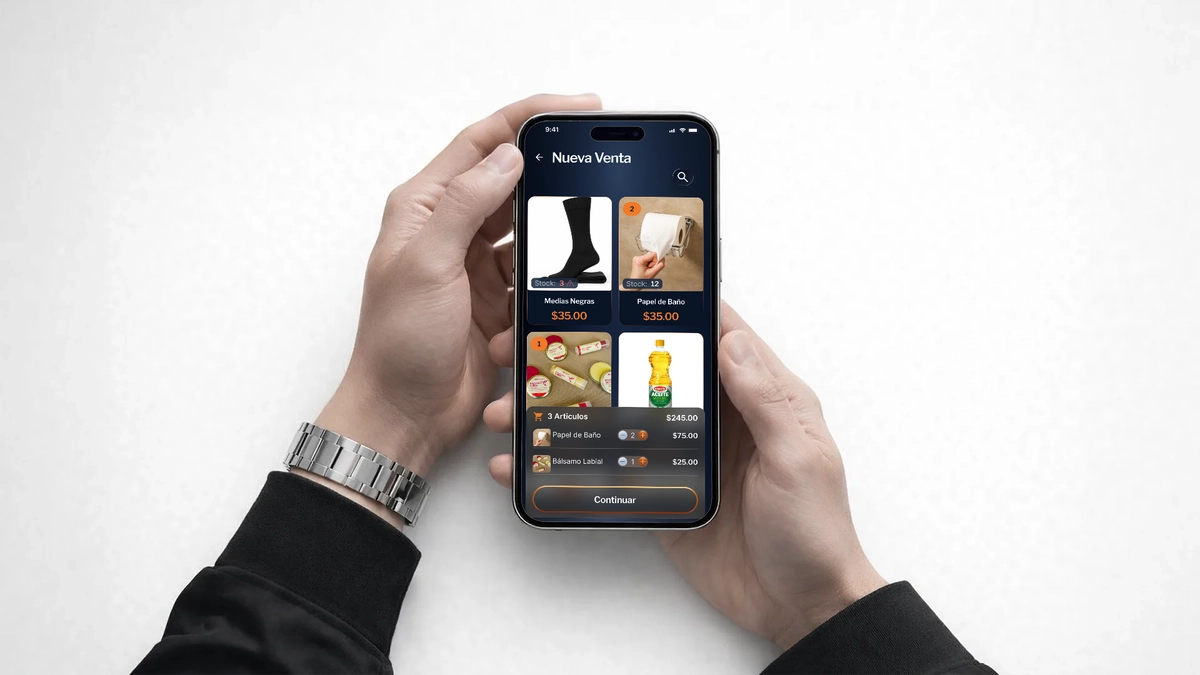
This tool is crafted using OOUX, to enhance the sales process while maintaining exceptional customer service and refining investment decisions.
View Case Study