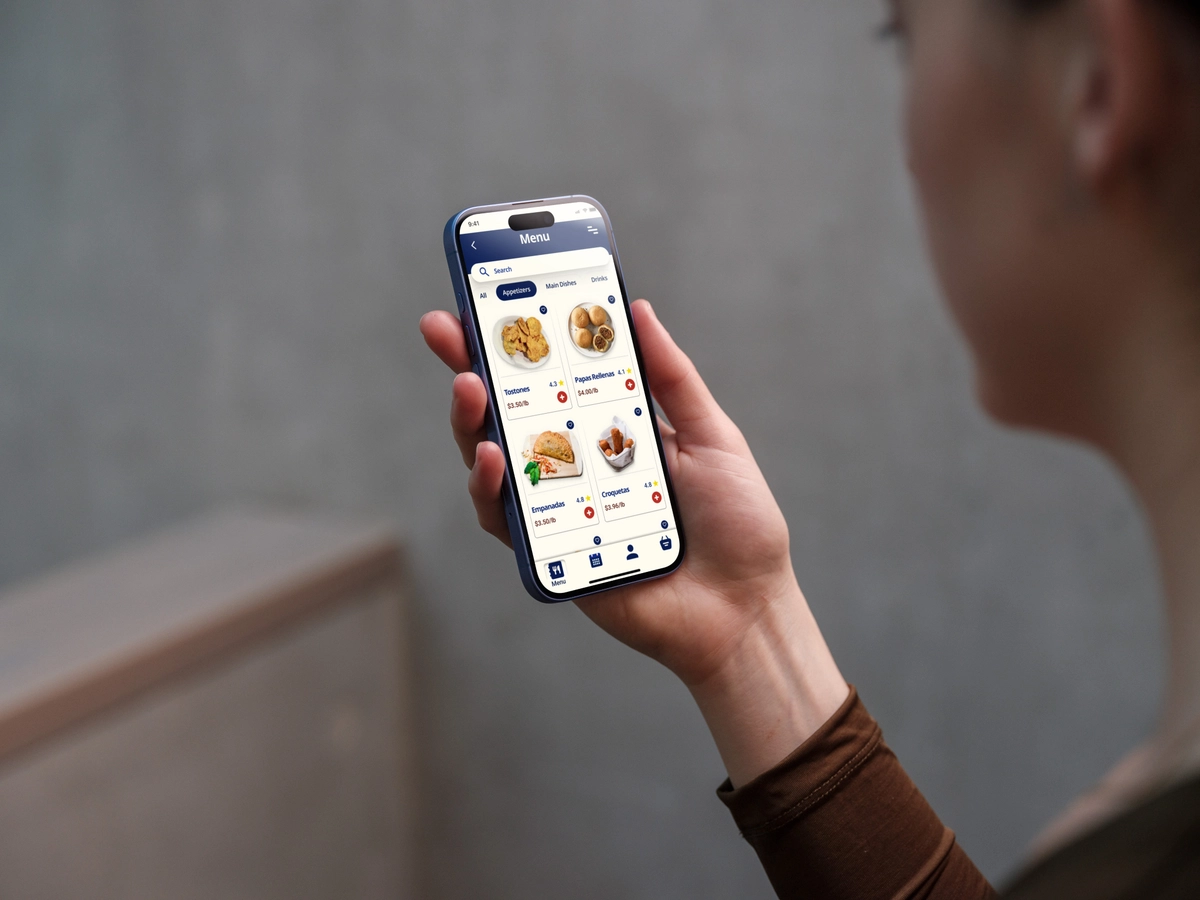
Mobil App
RC By Pound
The creation of this mobile app will increase the customer retention on a 18% and customer satisfaction on 24%.
View Case Study
How do you manage a high-velocity retail business when the capital and the operations are separated by hundreds of miles? Ingard is a specialized inventory and financial management ecosystem designed for a unique, high-trust partnership between an Investor and a Seller. In this business model, the Seller travels long distances to procure good, the sales spot is an environment with limited, almost unexisting connectivity while the Investor provides the capital and requires transparent, data-driven oversight.
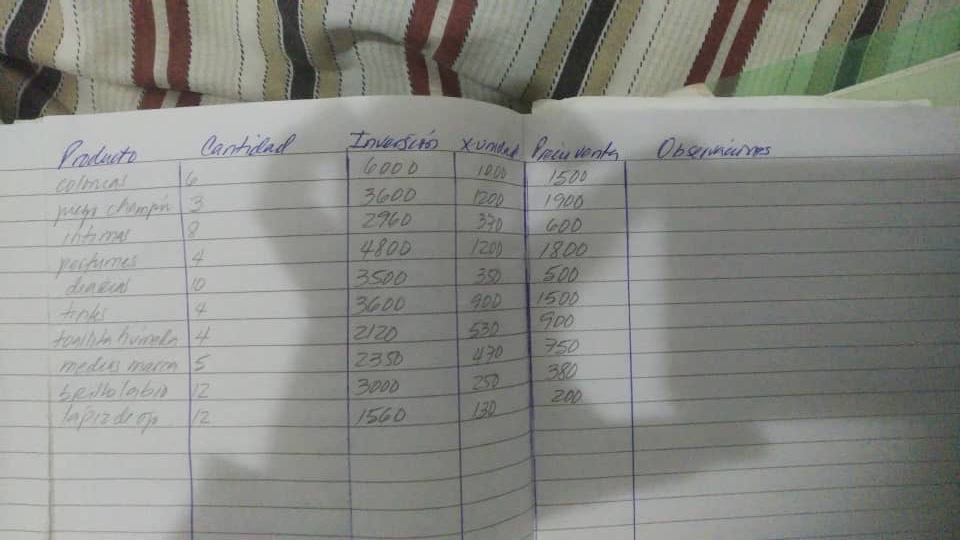
In the chaos of street-side sales, technology is often a burden, not a benefit. To design a solution that actually sticks, I immersed myself in the dual reality of my users: a seller who can't afford a single wasted second located in a place with poor cell reception, has to do the purchase to her only provider and an investor whose peace of mind depends on data that currently doesn't exist.
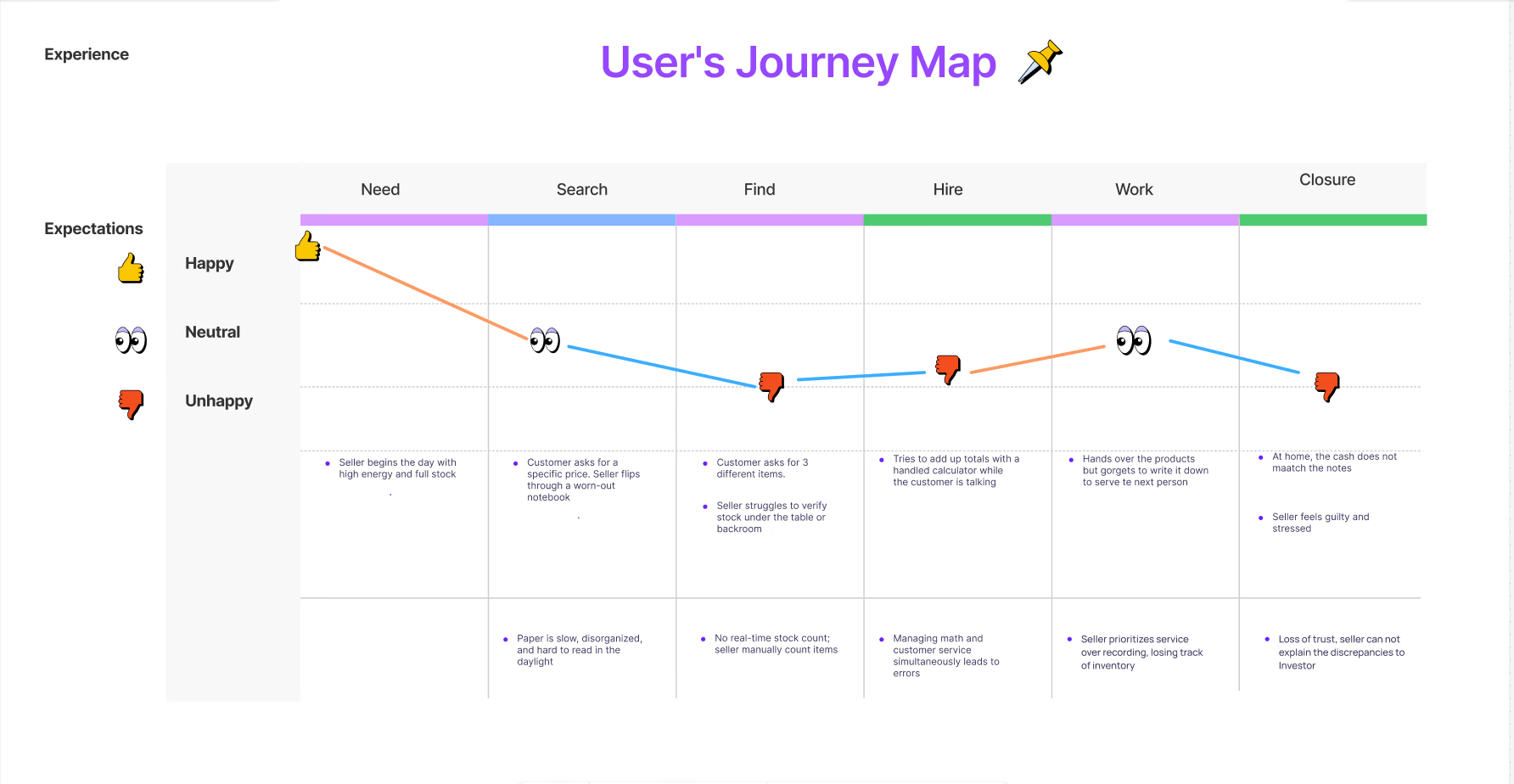
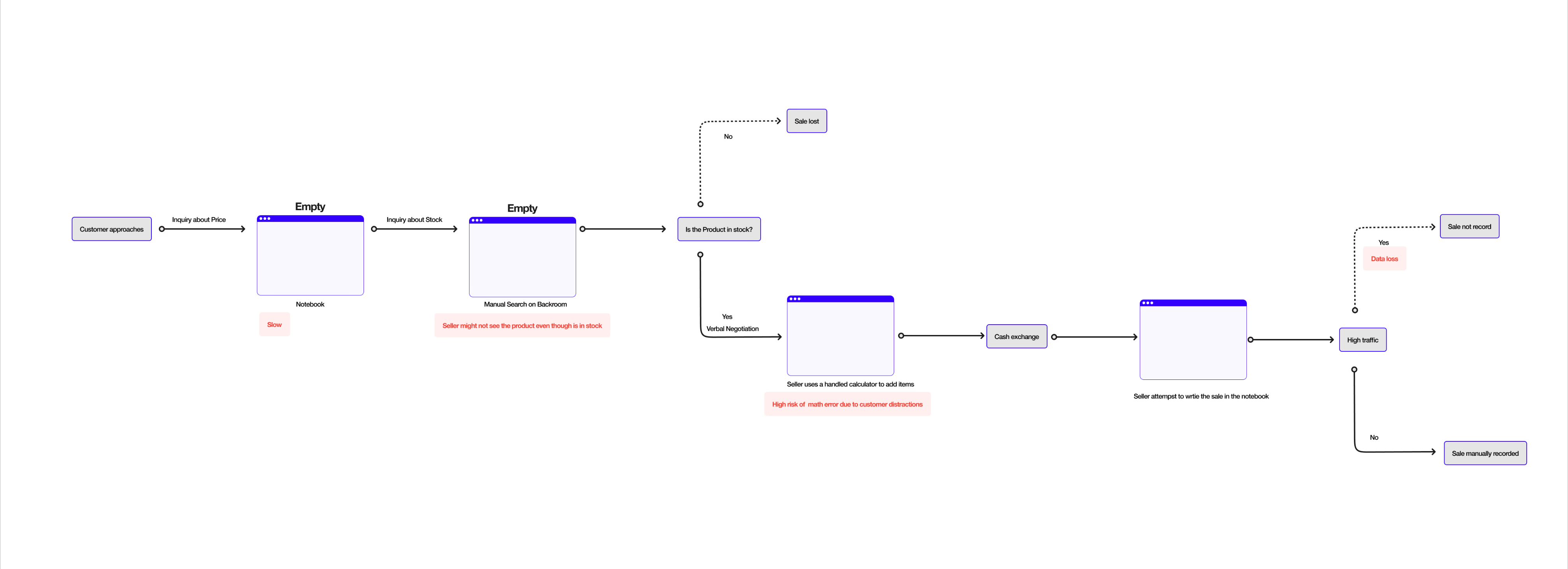
High friction in communication.
Manual transcript error risk.
Inventory inaccuracy.
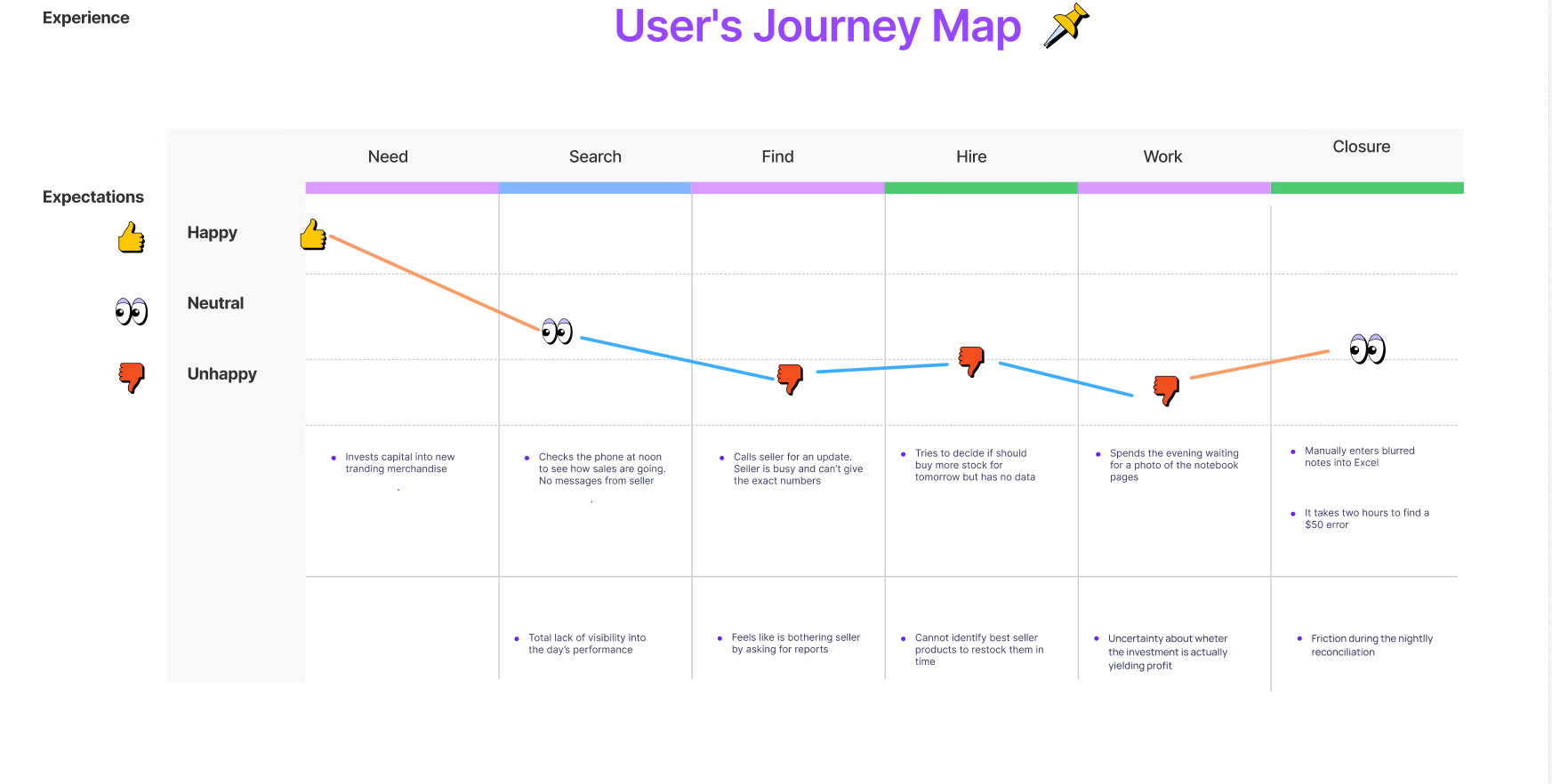
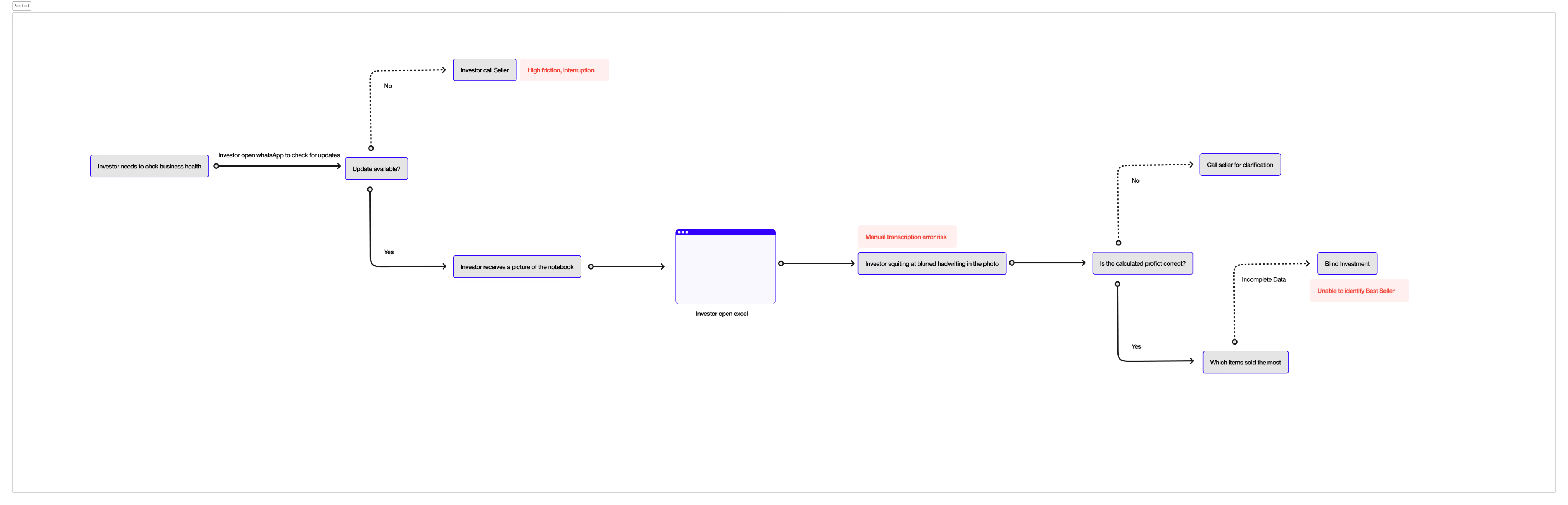
Data loss due to human errors.
High risk of math error due to customer distractions.
Slow transactions.
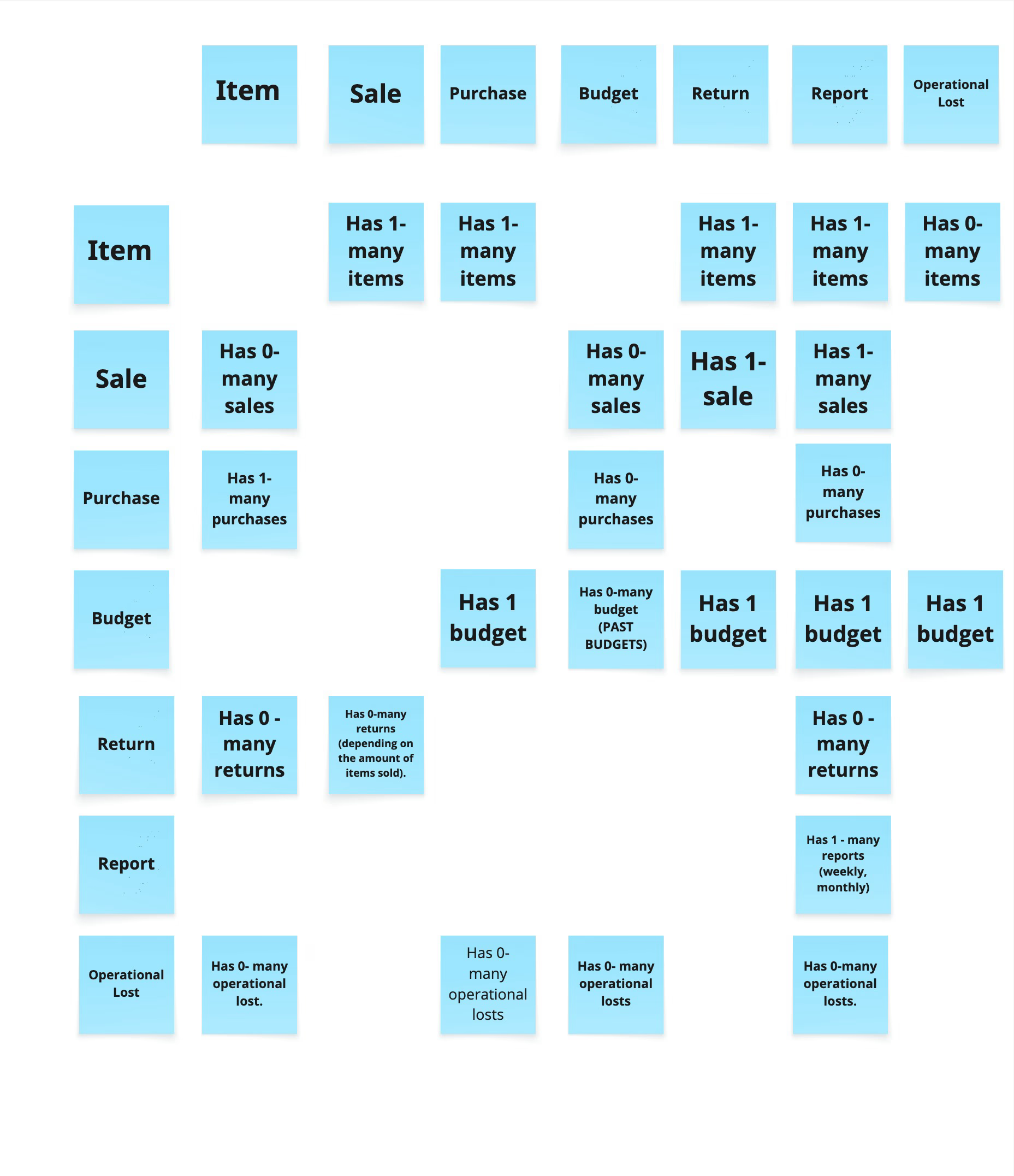
Object-Oriented UX (OOUX) is a design methodology that focus on create an interconnected system based on the real-life object the user is coming to the interface for. It’s core, the ORCA process, is, as in my opinion, the ultimate guideline to design an structured system that actually make sense to the user. The Objects, Relationships, Calls-to-action and Attributes are here reflected.
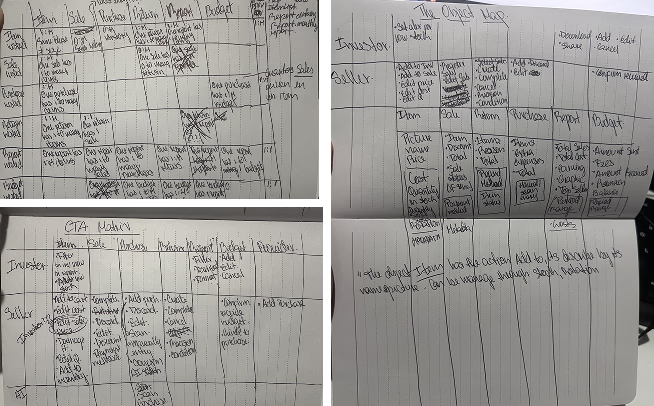
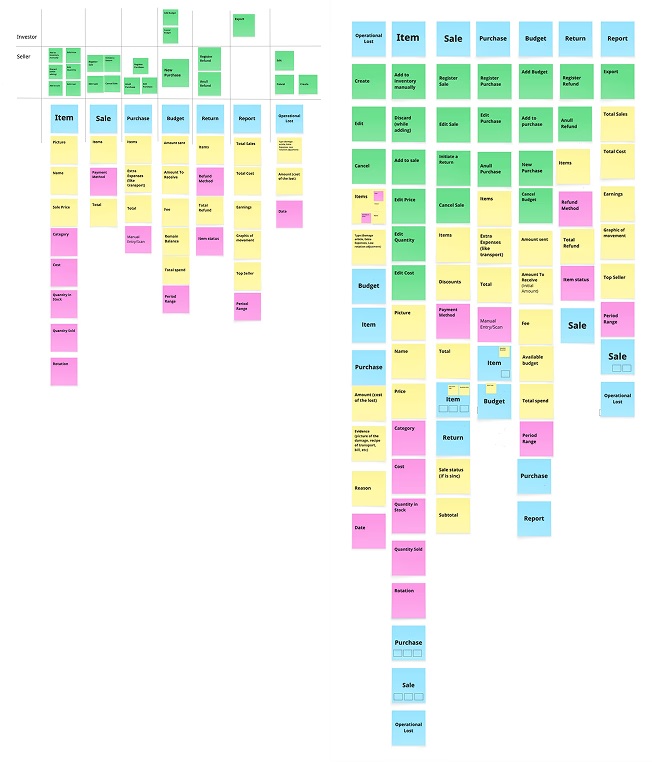
To architect INGARD, I developed a Nested Object Matrix to define the system and ensure absolute data integrity. This matrix allowed me to map the relationships between objects from two critical perspectives: the Seller's operational flow and the Investor's financial oversight. br The Outcome: A "leak-proof" financial ecosystem where every cent is accounted for, and the Seller’s effort is focused on action rather than complex data entry.
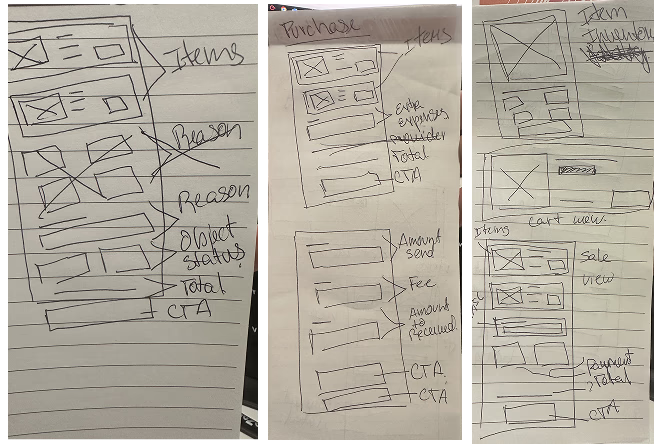
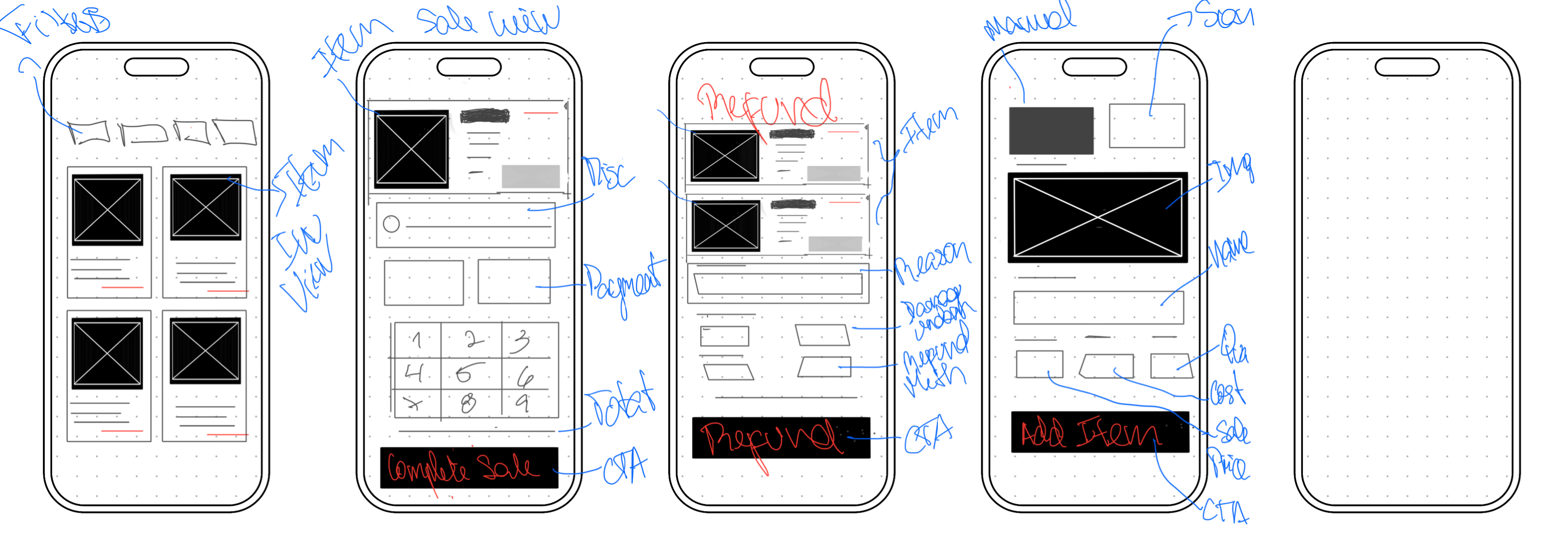
I decided not to include the following to avoid cognitive noise and
unnecessary technical complexity:
1. The "Provider" Object
Decision: Removed from the object matrix.
Reason: The seller buys
from the same place. Keeping it as a standalone object added configuration
steps that did not provide direct value to the sale.
3. Real-Time
Purchase Approval
Decision: The investor does not approve each purchase
before it occurs.
Reason: Both investor and seller have a great
trust on each other, after several conversations, implementations like
this one where discarded because, and i quote “we do not need to know
what the other is doing all the time, there is a reduced number of
thing that i want to know”.
Since the seller works in an environment where electricity is and internet are very rear, and the investor needs quick oversight, my design system must focus on High Accessibility, a high contrast Interface with a the dark theme that isn't just for aesthetics. It reduces glare for the seller and saves battery for an environment that has a big lack of electrical power. The vibrant orange serves as Action Color and it guides user eye to the most important buttons minimising cognitive load during a busy rush and is used on large tap targets for a seller who is moving quickly and might have sweaty or busy hands. Using bold, clean sans-serif fonts so prices and stock numbers are readable at a distance of an arm's length.
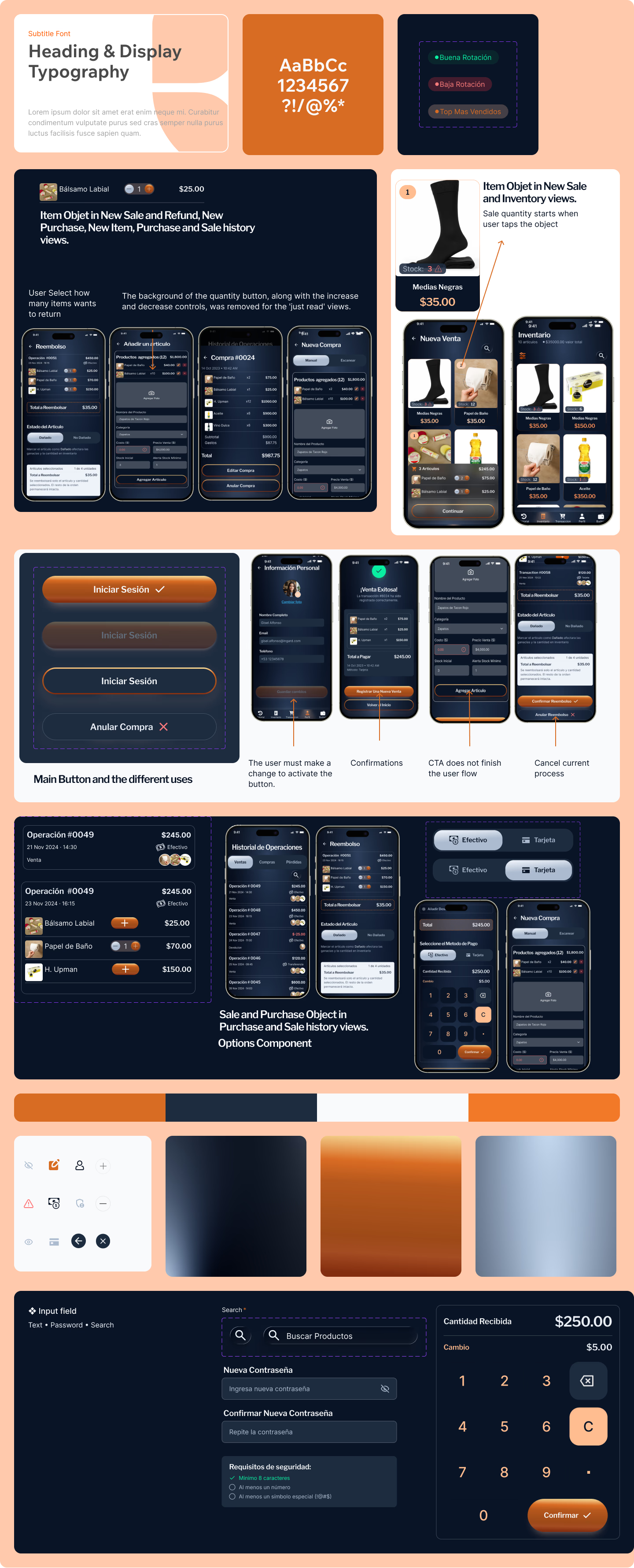
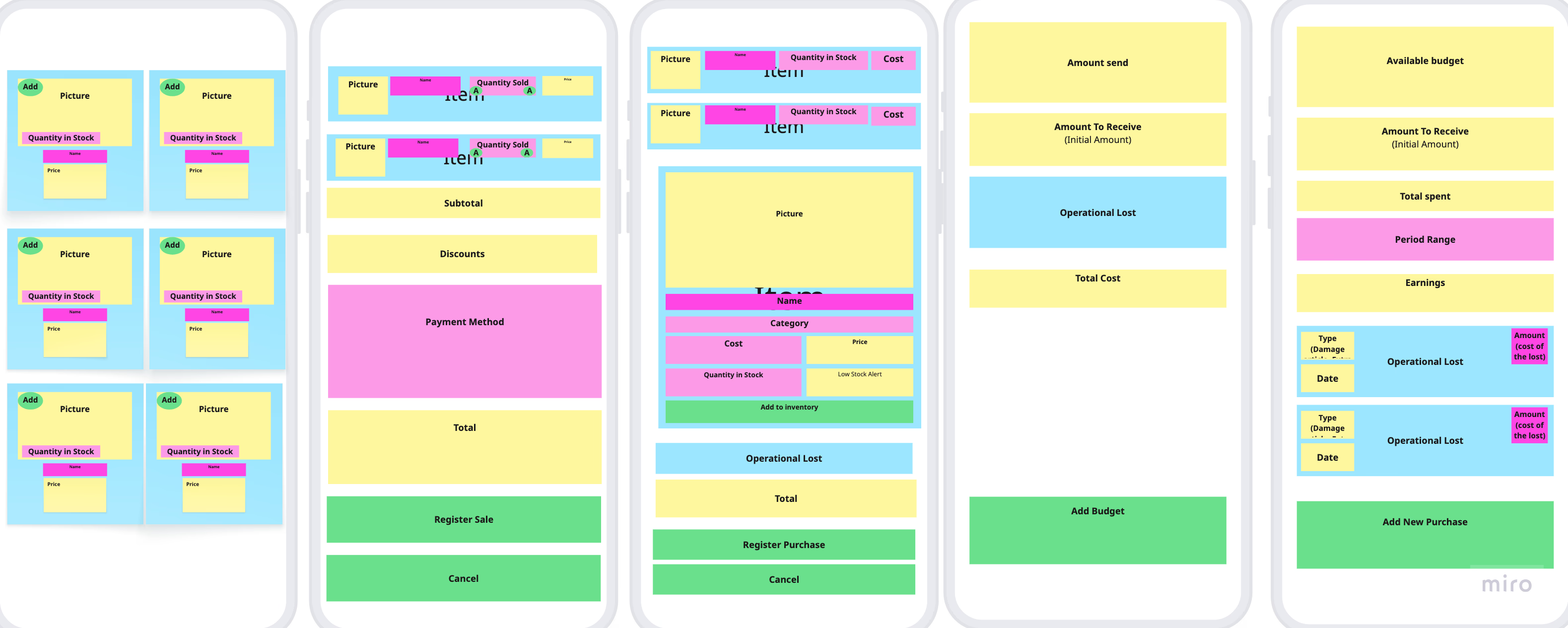
1. Automated Logic:
The flow removes the risk of manual math
errors. Discounts and totals are calculated in real-time, ensuring
that the Inventory and Ledger objects are updated with 100% accuracy
the moment a transaction is completed.
2. Real-Time Stock Awareness:
Items are tagged with in-stock quantity batches. This doesn't just warn
the seller; it manages customer expectations before the transaction begins,
preventing "out-of-stock" friction at the point of sale.
3. Flow Continuity:
The "Record Another Sale" CTA was
strategically placed to maintain the seller's momentum. By treating
sales as a continuous stream rather than isolated events, the system
ensures that 100% of street activity is captured without menu fatigue.
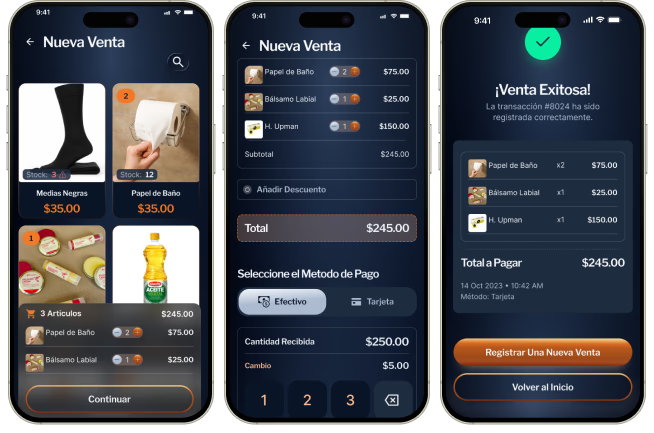
1. Capital Traceability
Every item purchased is linked to a specific
budget cycle. This allows the Investor to see exactly how much profit a
$1,000 injection generated, even if new funds have been added since.
2. Loss Reporting
In a high-trust environment, uncertainty is
the enemy. I integrated a Relational Loss System where "Damaged" items
are not just deleted, but documented.
3. Inventory Health & Rotation
Alerts
The dashboard features a Rotation Status indicator.
4.
Real-Time ROI Progress
Through a real-time progress bar, the Investor
monitors how much of the initial capital has been recovered and at what
point the operation begins to generate net profit.
"Ingard doesn't just show numbers; it tells the story of the capital's journey from the bank to the street and back, ensuring that trust is built on a foundation of verifiable truth."
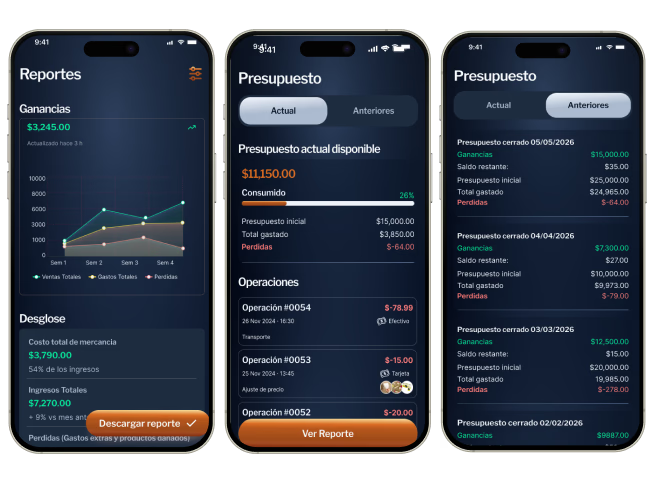
To test the efficacy of Ingard, I conducted high-fidelity usability sessions with users representing both the Seller and Investor roles. The goal was to simulate "the street" environment: high-pressure sales, low connectivity, and the need for absolute financial transparency.
Investors don't want a generic balance; they need to see the ROI of their last $1,000 injection in isolation.
Validated that the Item → Purchase→Budget relationship allows the Investor to calculate real-time profit for specific capital lots, eliminating financial "guesswork."
Sellers do not read product names; they scan for photos and prices while attending to physical customers.
The 2-column grid layout with high-contrast cards reduced the time to record a sale to 43 seconds , preventing data loss during busy hours. Simulated price disputes were resolved in seconds using the visual catalog, and users emphasized the importance of managing customer expectations promptly by confirming product availability right at the counter.
Initially, marking an item as damaged affected the entire stock.
Implemented a Quantity Selector to allow for partial losses (e.g., 1 out of 5 items broken), maintaining inventory integrity.
An infinite loading "spinner" in an area without 4G causes panic over data loss.
I’ve implemented an Optimistic Feedback. The app confirms the sale immediately, and the "Synchronization Badge" manages the expectation of when that information will reach the investor. The clarity of the system's status is the foundation of trust.
The transition from a chaotic paper-based system to a structured digital ecosystem resulted in a drastic improvement in operational efficiency and financial clarity.
The creation of this mobile app will increase the customer retention on a 18% and customer satisfaction on 24%.
View Case Study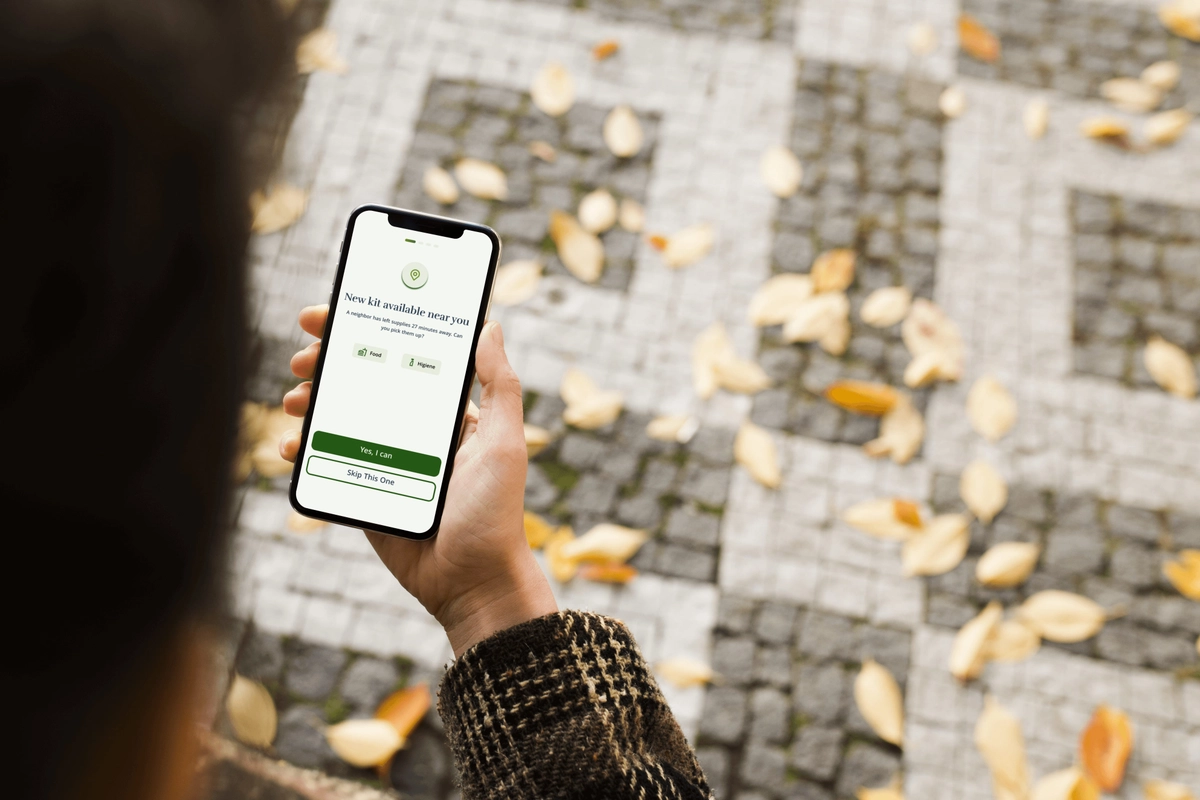
Gildi is a mutual aid network in Katy, Texas, designed to eliminate invasive tracking and social stigma.
View Case Study